
Microdermabrasion in Walnut Creek.
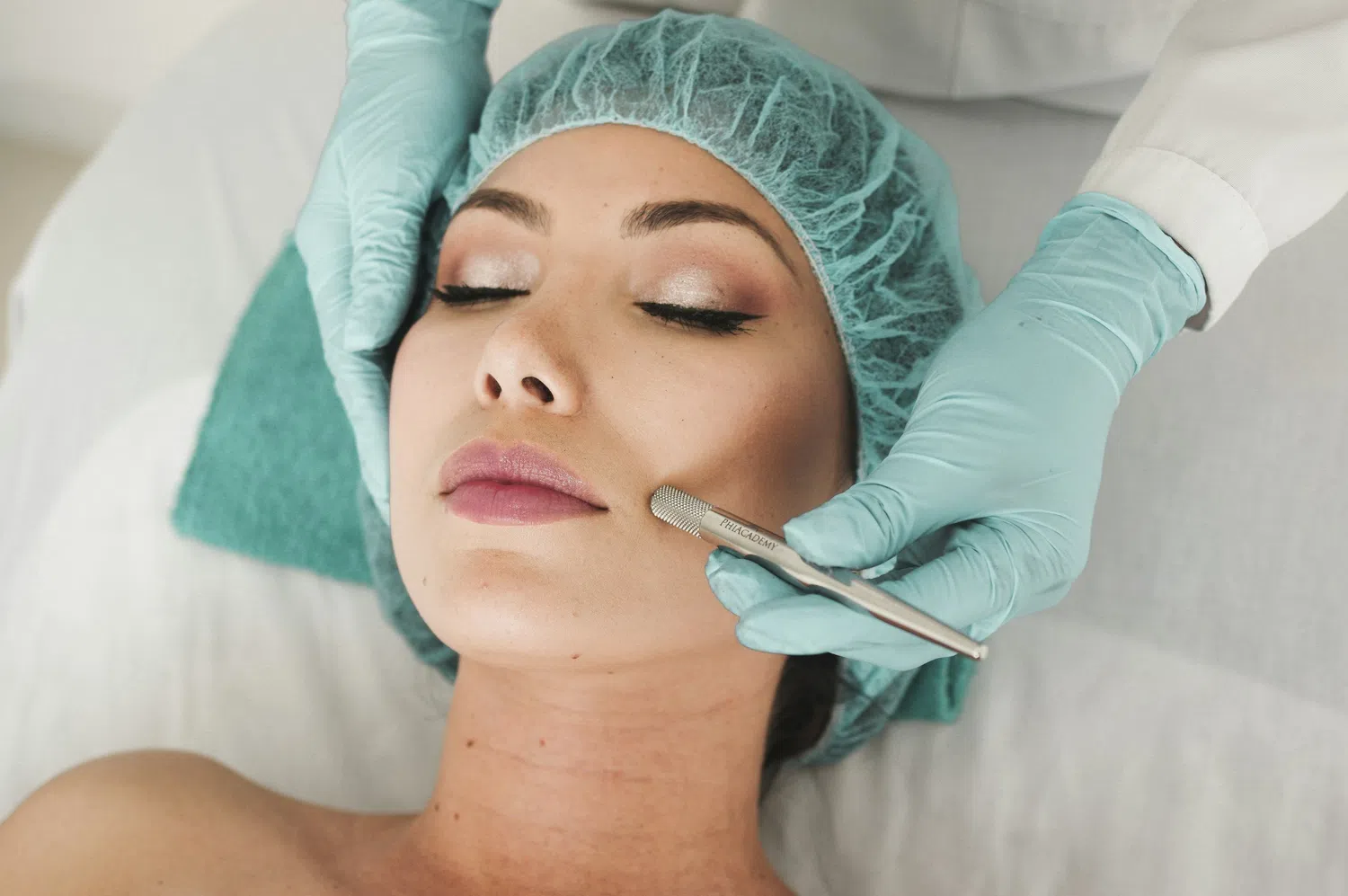
Microdermabrasion is a non-invasive resurfacing treatment that uses fine crystals or a diamond-tipped applicator to lift away the outermost layer of dead skin while stimulating circulation underneath.
5.0 on Google · 1st Place, 2026 Best of Walnut Creek · Every treatment by a registered nurse
- DowntimeA flush for an hour or two
- MakeupBack on the same day
- Best every4 to 6 weeks
- ComfortNo numbing needed
About Microdermabrasion
Where a facial cleanses and a peel dissolves, microdermabrasion physically refines, which makes it a strong choice for congestion, rough texture, and the look of enlarged pores. Most clients are in and out over a lunch break with nothing to hide afterward.
What Is Microdermabrasion?
Microdermabrasion is a non-invasive exfoliation treatment that uses a specialized device to gently remove dead skin cells while stimulating circulation and collagen production.
How It Works
The treatment uses fine crystals or a diamond-tipped applicator to resurface the outer layer of skin. This process helps to:
Refines rough or uneven texture, often visibly after one session
Clears the surface congestion that leads to clogged pores
Softens the look of enlarged pores over a series of treatments
Helps your skincare reach living skin instead of sitting on dead cells
No acids, no blade, and no recovery window
What to Expect
A session typically lasts 30–45 minutes. You may experience mild redness immediately after treatment, which usually settles within a few hours.
Skin appears smoother, brighter, and more refreshed. A course of treatments may be recommended for optimal results.
Your questions, answered.
What does it feel like?
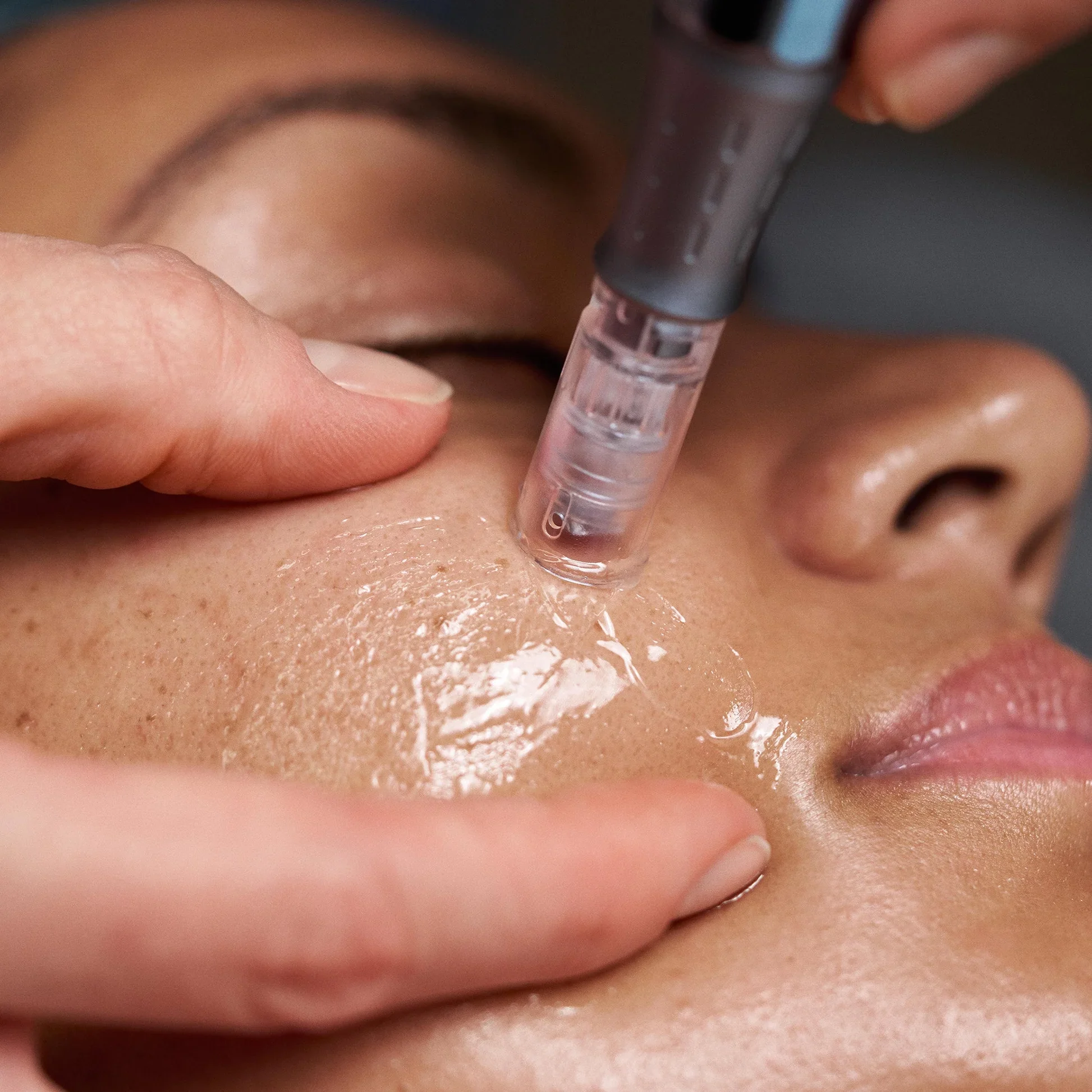
Most clients describe a mild vacuum sensation with a fine, sandy texture as the applicator passes across the skin, closer to a firm massage than a scratch. The suction is adjustable, so we dial intensity to your comfort and your skin's tolerance. Numbing isn't required.
How is this different from dermaplaning?
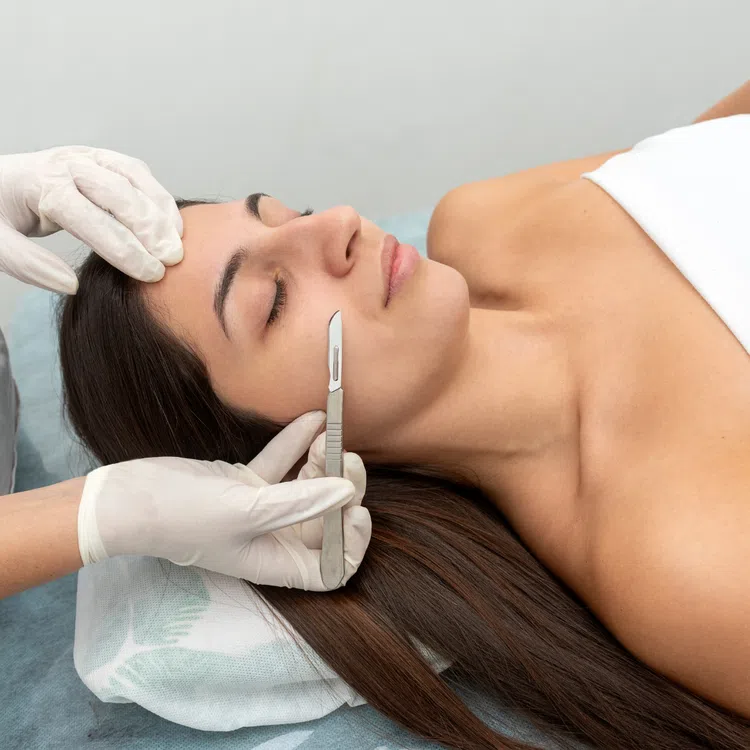
Both exfoliate, but they work differently and solve different problems. Dermaplaning uses a sterile blade to remove dead skin and vellus hair, which makes it the better choice when your goal is a flawless makeup base. Microdermabrasion uses a device to resurface with suction and a diamond tip, reaching congestion and rough texture that a blade passes over, but it does not remove peach fuzz. Plenty of clients alternate the two across the year.
What's the downtime?
Nothing meaningful. Skin may look flushed for an hour or two, similar to a post-workout glow, and can feel tight until you moisturize. Makeup can go back on the same day, though most people enjoy the bare-skin feeling for a few hours first.
How often should I come in?
Microdermabrasion works with your skin's natural turnover cycle, so most clients see the best results on a rhythm of every four to six weeks. Congested or thicker skin sometimes benefits from an initial series spaced closer together, followed by a maintenance cadence. We'll map that out at your first visit.
Who is it best for?
It tends to suit skin that feels rough, looks congested, or has stopped responding to at-home products. It's a good fit if you want physical resurfacing without acids and without a blade. It isn't appropriate during an active acne flare, with rosacea, or on highly sensitive or compromised skin in those cases we'd steer you toward something gentler.
What should I expect afterward?
Freshly resurfaced skin is more vulnerable to UV, so broad-spectrum SPF matters for the following week. Skip retinoids, acids, and physical scrubs for about 48 hours, and keep skin well moisturized. Mild dryness or light flaking in the days after is normal and settles on its own.
Disclaimer: Microdermabrasion is a cosmetic procedure intended to exfoliate the skin and may help improve its appearance by removing dead skin cells and fine hair. Results and effectiveness can vary based on individual factors, including skin type, condition, and adherence to post-treatment care. Common side effects include temporary redness, sensitivity, or mild irritation. It is important to consult with a qualified healthcare provider to determine if microdermabrasion is suitable for your skin type and to discuss any potential risks and benefits. The information provided is for educational purposes only and is not intended as medical advice. Always seek the advice of your physician or another qualified health provider with any questions you may have regarding a medical condition or treatment. Follow your practitioner’s guidance and promptly report any unusual symptoms or concerns following treatment.
Complete your plan.
Real client results gallery coming soon. Before & afters · Read client reviews